The new permanent exhibition of the Estonian Natural History Museum “The Art of Coexistence” tells the story of the relationship between nature and humans.
At the new permanent exhibition we explain and interpret the richness of relationships and connections in nature, as well as the ingenuity and adaptability of its diverse forms of coexistence. We reveal the hidden side of nature that usually remains behind the scenes and out of reach when we encounter it in the wild. We make the invisible visible and the inaccessible experienceable. It is a life-changing experience.
The exhibition brings visitors closer to what is special and unique in Estonia, but also what is everyday and characteristic of its nature. Alongside more prominent species, we highlight the richness of microscopic life and its coexistence with other living organisms. We explore the diversity and importance of different relationships and connections across all spheres of nature – in soil, water and air. The exhibition also places strong emphasis on understanding the nature of climate change and on offering ways to adapt to these changes.
“The Art of Coexistence” creates a holistic, educational and personally engaging exhibition experience that stimulates all the senses and invites interaction.
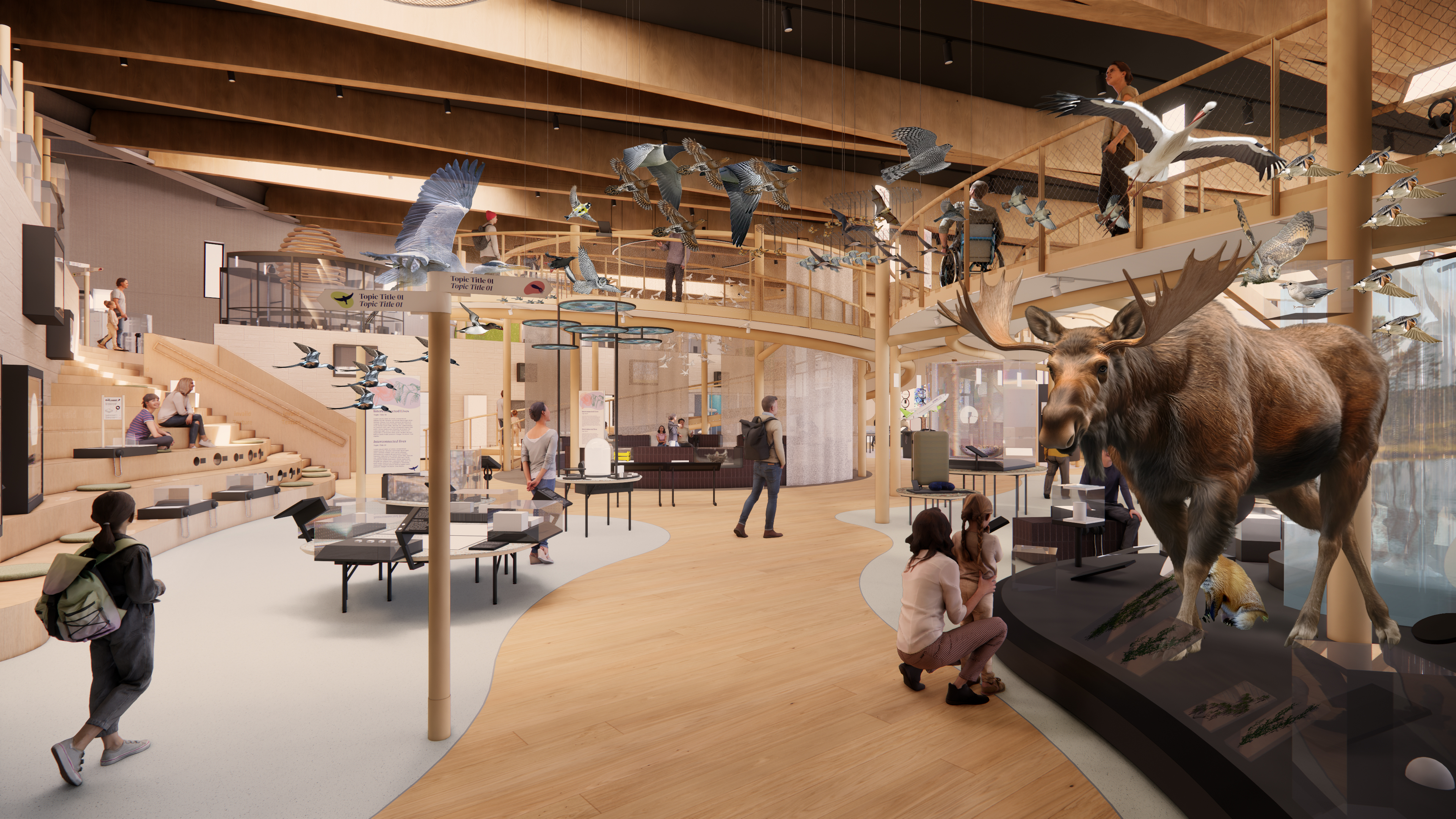
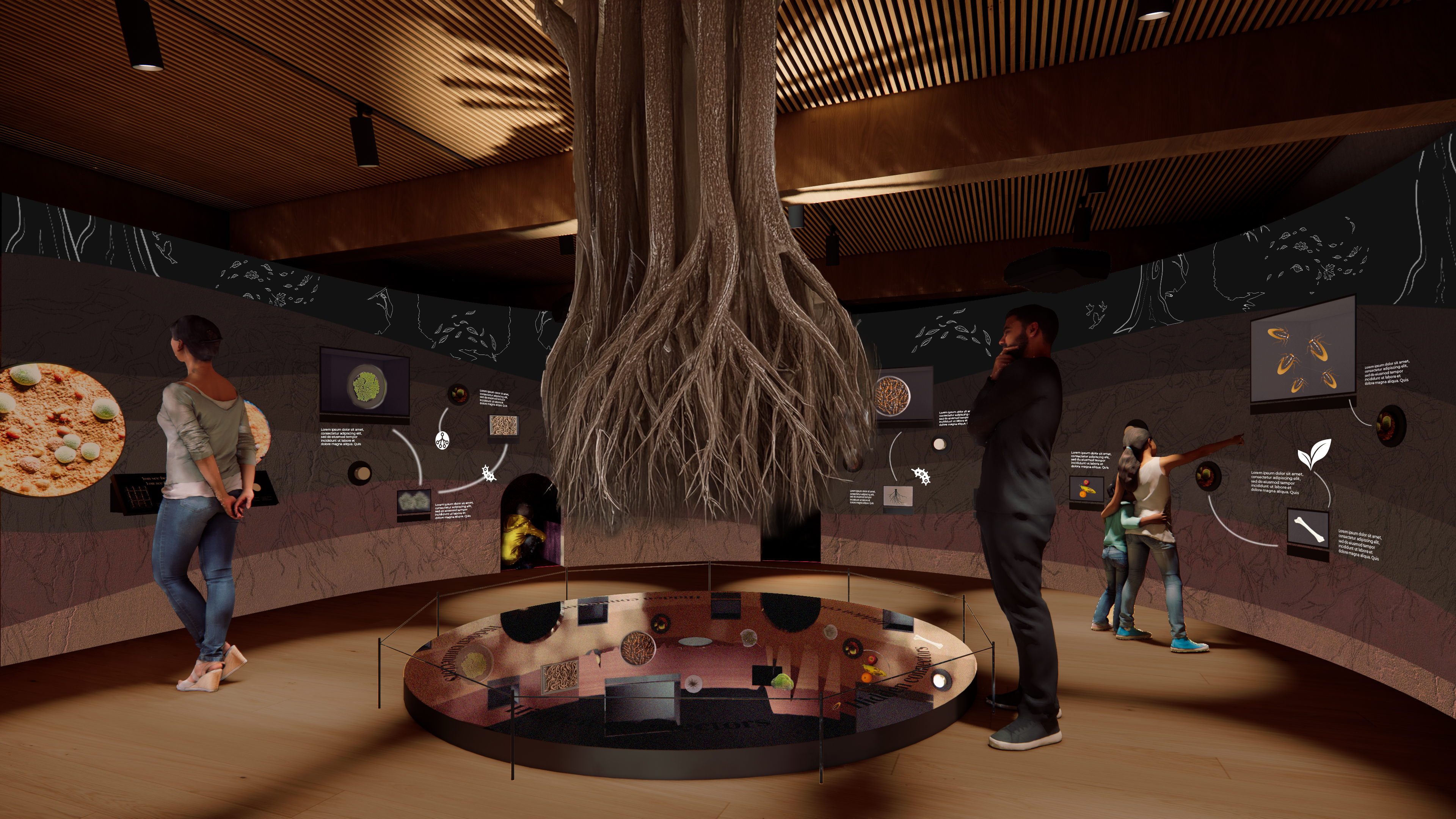
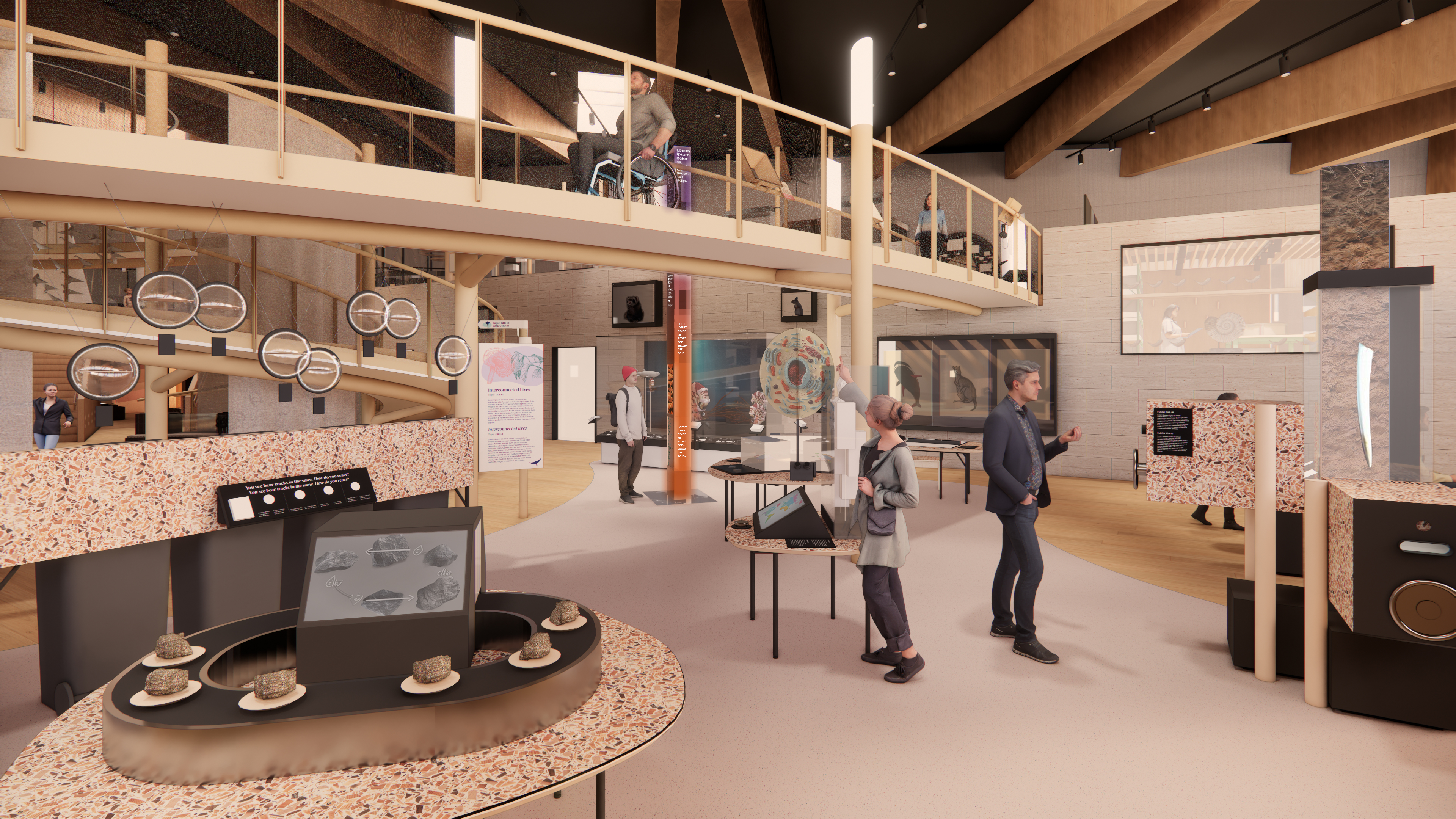
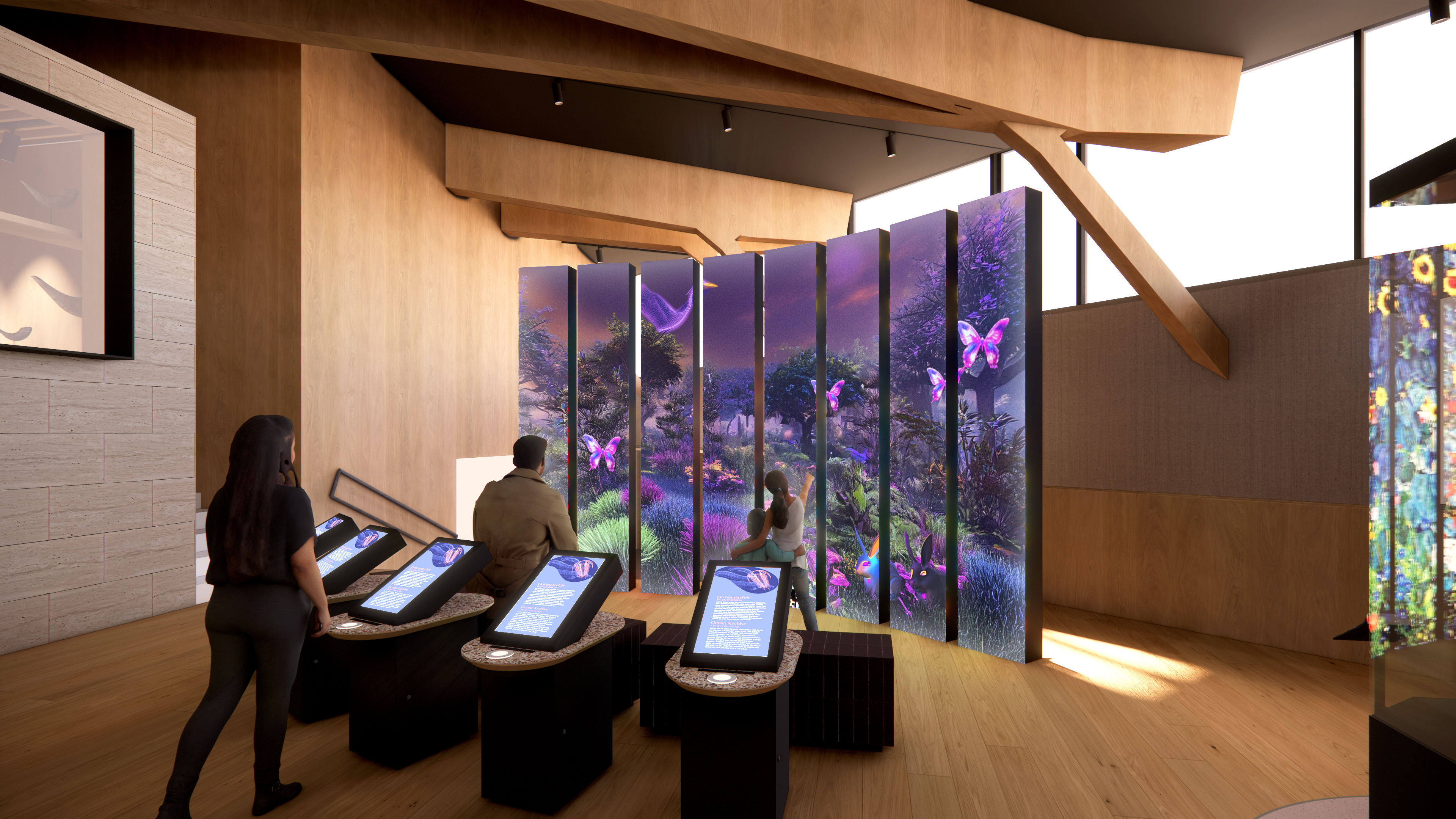
The concept competition for the core exhibition was won by the Netherlands-based agency Studio MAST VOF with the concept “See the Unseen.” The competition jury noted that the winning proposal successfully highlighted the hidden connections and invisible relationships in nature, while offering a clever interior architectural solution and a compelling visual language.
“See the Unseen” takes visitors on a journey into the multifaceted nature of Estonia and the relationships that shape it. By stepping off the main path, visitors encounter different situations and perspectives where relational dramas unfold, revealing the distinctiveness of Estonia’s nature, its soundscapes and connections that often escape human perception. Through nine major themes, visitors meet both the well-known and larger inhabitants of Estonia’s nature while learning to notice the tiniest and often invisible organisms. In each chapter, humans appear as one of the characters, equal among others. The exhibition journey helps visitors reflect on their own role within nature’s patterns and, hopefully, strengthen their relationship with nature.
All submissions to the core exhibition concept competition can be explored here.
Collection campaign
To tell authentic stories of people’s relationships and experiences with nature, we invited people across Estonia to submit objects for the exhibition between 3 March and 30 April 2025 that reflect their connection with Estonian nature.
What and how did we collect?
The object could be any physical item that made a person think about their relationship with nature – whether ordinary or rare, artificial or natural in origin. The more personal and unexpected, the more exciting.
Along with a photograph of the object, participants were asked to submit a short story explaining how it relates to Estonian nature. From all submitted stories and photos, the exhibition curatorial team will select the objects and stories that will be physically collected and displayed in the exhibition.
Some of the objects submitted to the exhibition with their stories
- Why did we collect objects and stories?
In the new Museum of Natural History, the relationship between humans and nature will be a central theme. In the museum’s core exhibition “The Art of Coexistence,” an important role will be given to the personal experiences and connections that people in Estonia have with nature. For this reason, we wanted to collect objects from people across Estonia that tell stories about their relationship with Estonian nature. These personal experiences and stories help illustrate our connection with nature and inspire others to seek a closer relationship with it. - Who was the campaign for?
Anyone who wished to contribute to the creation of the new museum by sharing an object and its story was welcome to participate. - How many objects could be submitted?
Each participant could submit one story and one object to the museum. The object could consist of several parts. - Could an object be submitted without a story, or a story without an object?
As part of the campaign, we collected photographs of objects only together with an explanatory story, and vice versa. What would an object be without a story?
- What happens to the submitted objects and stories?
The curatorial team will first review all the materials submitted digitally. We aim to display as many of the collected objects with their stories as possible in the new exhibition. However, curators must also assess whether the objects fit the exhibition concept and its technical solutions, and it is therefore possible that not all objects can be included in the final display for conceptual or technical reasons.
We will contact each contributor after reviewing the materials to inform them whether their object has been selected for the exhibition. Objects chosen for display will also be physically collected from their owners, and we will continue working with the contributors to present the object and its story in the exhibition. All submitted stories and photographs will be preserved digitally in the archive of the Estonian Museum of Natural History. - What does donating or lending an object to the museum mean?
When submitting an object with its story, participants had to decide whether to donate the object permanently to the museum or lend it for a fixed period. Donation means the object will not be returned and will become part of the museum’s holdings. In the case of a fixed-term loan, the object will be lent to the museum for the exhibition for ten years and returned to the owner after that period.
Project “Increasing climate awareness and consideration of climate change”
The new core exhibition of the Estonian Museum of Natural History is being developed with the support of the project within the Cohesion Policy Funds Implementation Plan 2021–2027, under Policy Objective 2 “A Greener Estonia,” Specific Objective 4: “Promoting climate change adaptation, disaster risk prevention and resilience, taking into account ecosystem-based approaches.”
The project is implemented by the Ministry of Climate, with partners including the Estonian Environment Agency, the Environmental Research Centre, and the Estonian Museum of Natural History.
